Introduction
Private tag specialized foods have ended up being significantly popular in the retail industry. With consumers looking for distinct and high-grade products, exclusive label foods provide a scrumptious option that pleases their palate and satisfies their expectations. In this write-up, we will discover the world of personal tag foods, from their manufacturing to their effect on both stores and consumers.
The Increase of Private Label Food Manufacturers Australia
Private tag food suppliers in Australia have actually experienced substantial development in recent times. These suppliers focus on generating private label foodstuff that accommodate the details needs and preferences of retailers and customers. With a concentrate on quality and technology, they have carved a specific niche on their own in the affordable food industry.
Benefits of Private Label Food Products
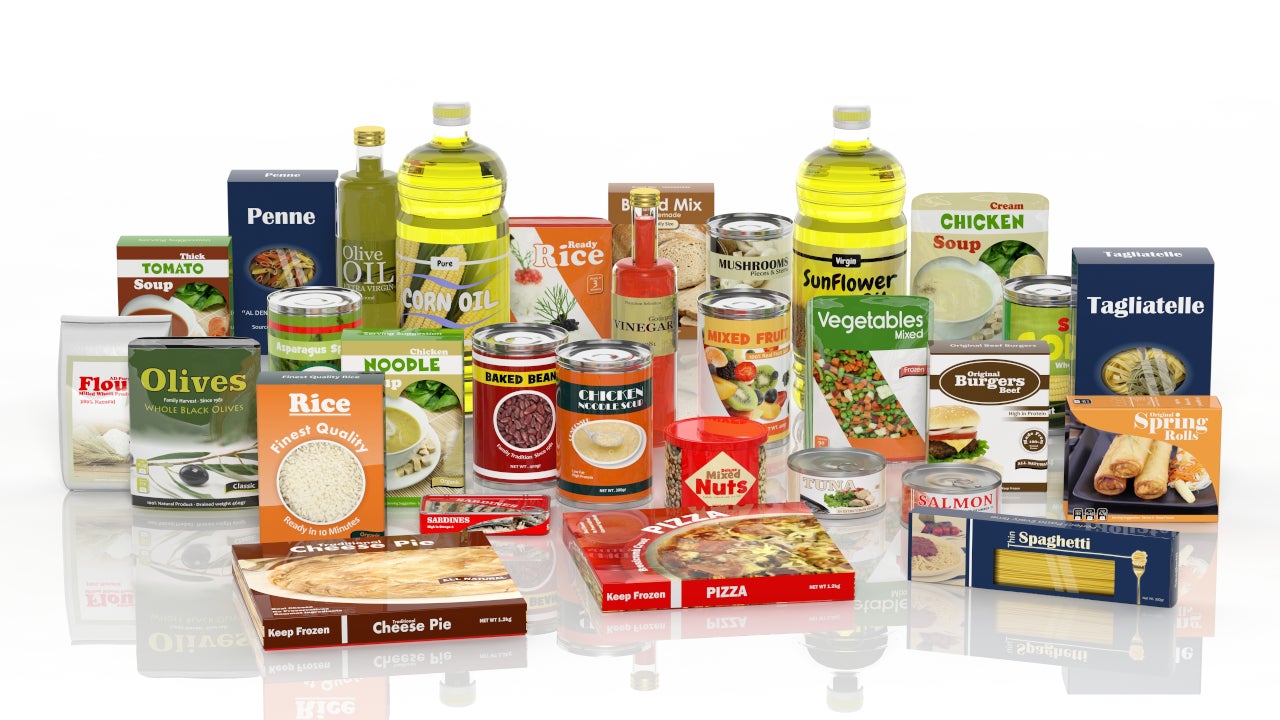
Private label food use many benefits for both retailers and consumers. Let's take a closer look at a few of these advantages:
1. Quality Control
One of the significant benefits of private label foodstuff is the control over high quality. Retailers can function carefully with private label food suppliers to make sure that the items fulfill their wanted criteria. This enables retailers to offer high-grade products that straighten with their brand name image.
2. Customization
Private label food production enables retailers to customize their items according to their target market's preferences. Whether it's establishing distinct tastes or dealing with specific nutritional requirements, private tag foods offer private label food versatility in product development.
3. Competitive Pricing
Retailers can take advantage of affordable rates by opting for exclusive label foods. Because there are no intermediaries involved, the cost financial savings can be handed down to consumers, making these products extra cost effective contrasted to nationwide brands.
4. Brand Differentiation
Private tag foods help stores distinguish themselves from rivals by using special items not found elsewhere. This exclusivity develops a feeling of loyalty among consumers who actively choose these specialty items.
5. Boosted Profit Margins
Private tag food often have greater profit margins for stores compared to national brands. With control over the whole manufacturing procedure, retailers can optimize costs and optimize their profits.
The Process of Private Label Food Manufacturing
Private tag food production entails a number of vital steps that guarantee the production of premium products. Let's look into the procedure:
1. R & D (R&D)
The R&D stage is critical secretive label food production. It includes marketing research to identify customer fads, tastes, and choices. Suppliers work very closely with merchants to develop product ideas that line up with their brand and target market.
2. Recipe Formulation
Once the concept is wrapped up, manufacturers go on to dish formulation. This action entails creating an unique mix of active ingredients and flavors that satisfy the wanted taste account. Suppliers might additionally think about including LSI key phrases such as "personal tag specialized foods" and "private label food producers Australia" to boost internet search engine optimization.
3. Examining and Quality Assurance
Before automation starts, manufacturers conduct extensive testing and quality control checks. This makes sure that the items fulfill all safety and security and top quality criteria established by regulatory bodies. Private label food makers focus on customer contentment by providing items that are risk-free, delicious, and consistent.
4. Packaging Design
Packaging plays a critical duty secretive label food products' success. Producers work together with merchants to create product packaging that shows the brand name's values and attract customers. Attractive styles incorporated with useful tags aid attract attention on shop shelves.
5. Manufacturing and Distribution
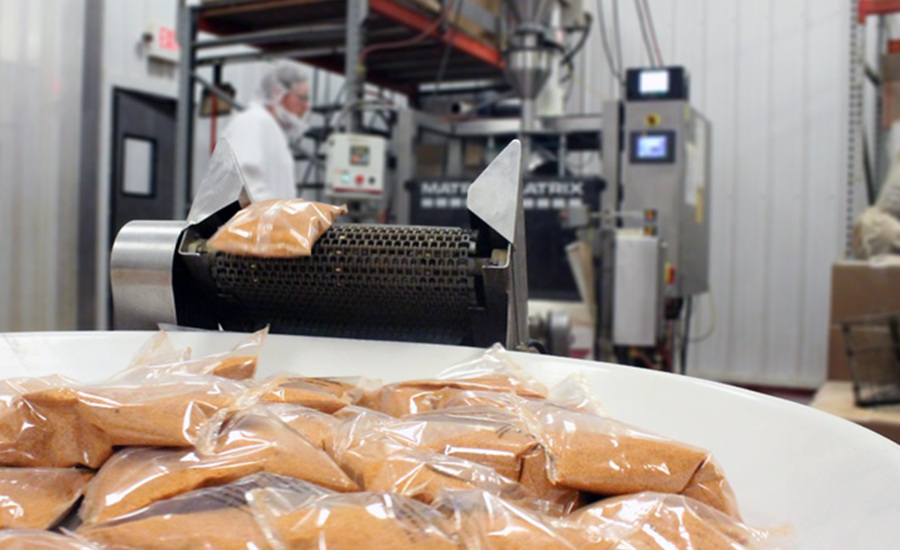
Once the product packaging style is accepted, producers start production widespread. They adhere to strict production practices to maintain consistency in taste, texture, and total item quality.
Distribution of personal label foods is done via various networks like grocery stores, on-line systems, or specialty shops. Sellers play an essential function in guaranteeing these products reach their target market effectively.
FAQs regarding Private Label Foods
What are private label foods? Private tag foods are items that are manufactured by a firm for sale under a seller's brand name. These items supply unique tastes and customization options.
How can retailers gain from private label food manufacturing? Sellers can benefit from private label food production by offering special items, managing quality, and appreciating higher revenue margins.
Are private label foodstuff of top quality? Yes, private label food makers prioritize quality control to ensure that their items fulfill the preferred standards set by retailers.
Can sellers customize private label food products? Yes, merchants have the versatility to customize private label foodstuff according to their target market's preferences.
Are private label foods extra affordable compared to national brand names? Yes, personal tag foods are usually valued competitively, making them much more budget-friendly for consumers.
Where can consumers find private label foodstuff? Private label food products are readily available in different retail outlets such as grocery stores, on-line platforms, and specialized stores.
Conclusion
Private label foods have reinvented the retail market by giving a scrumptious remedy for both sellers and customers. With their concentrate on quality control, customization choices, and affordable pricing, these specialty items use a distinct experience that establishes them besides nationwide brands. Merchants can take advantage of the advantages of private label food manufacturing to differentiate themselves and raise their revenue margins. Customers, on the other hand, can enjoy top quality products customized to their choices. As the need for special and savory food grows, personal label foods continue to flourish in the marketplace, accommodating the progressing preferences of consumers.